Revenue Generation Opportunities for Housing Associations
Over the past couple of months, I’ve spoken with dozens of housing associations across the UK. And there’s one thing that comes up time and time again: most don’t realise just how much value they’re sitting on.
Let’s take garages for example. When we speak about their garage portfolios, the general belief is “They’re more hassle than they’re worth” or “We don’t really get much from them.” But the reality is very different. In fact, the strategic asset manager at Aster Group, told us their garage occupancy sits at just 40–65%, a figure we’ve since heard echoed by others, including councils across the UK. Compare that to the private sector, where we’ve helped garage occupancy average around 95%, and the gap is staggering.
And garages are just one part of the story. Housing associations collectively own a huge variety of non-housing assets: parking spaces, community halls, commercial units, even undeveloped land. Yet many of these are underperforming, not because there’s no demand, but because housing associations often have competing priorities, and the non-housing assets often get pushed lower down in the list.
So how do you unlock the potential?
Get a free rent review
Try Stashbee and get a free garage rent review
Get a free rent reviewStep 1: Know What You Own
This sounds obvious, but it’s where many organisations face challenges. It’s not unusual for asset managers to find that their register of non-housing assets isn’t as complete as they’d like. In some cases, teams may not have full visibility of how many garages they own, their current condition, whether they are let or not, or their revenue performance, and it’s completely fair, because why would you spend time and resources on assets you never thought were lower value or weren’t a priority?
The Chartered Institute of Housing has highlighted this too: more than half of housing associations lack a comprehensive asset register that includes garages, parking, and other “secondary” assets. Without this, it’s impossible to make strategic decisions.
What you can do this week:
- Identify this as a strategic priority
- Asses the scale of the issue
- Determine if this can be managed internally or requires surveyors
- Carry out a full assessment.
- Pull together a full list of your garages, parking, and commercial spaces.
- Record condition and lettability.
- Check how long current voids have been empty.
- Determine next steps to increase your revenue returns
It’s a simple exercise, but it’s the foundation for everything else.
Step 2: Compare Against the Market
Once you know what you own, the next question is, are you charging the right amount?
We’ve run free rent reviews for housing associations and regularly find garages priced 30–40% below local market rate. Sometimes it’s because rents haven’t been updated in years. Sometimes it’s because no one knows what market rate looks like for garages.
When these assets are priced at market rate, with the right marketing behind them, occupancy and revenue shift upwards.
Demand for parking and storage is actually rising. The RAC Foundation reports that car ownership continues to grow, while new housing developments often come with minimal parking provision. That creates a perfect opportunity: local people need more space, while housing associations already own it.

Step 3: Focus on Garages and Parking
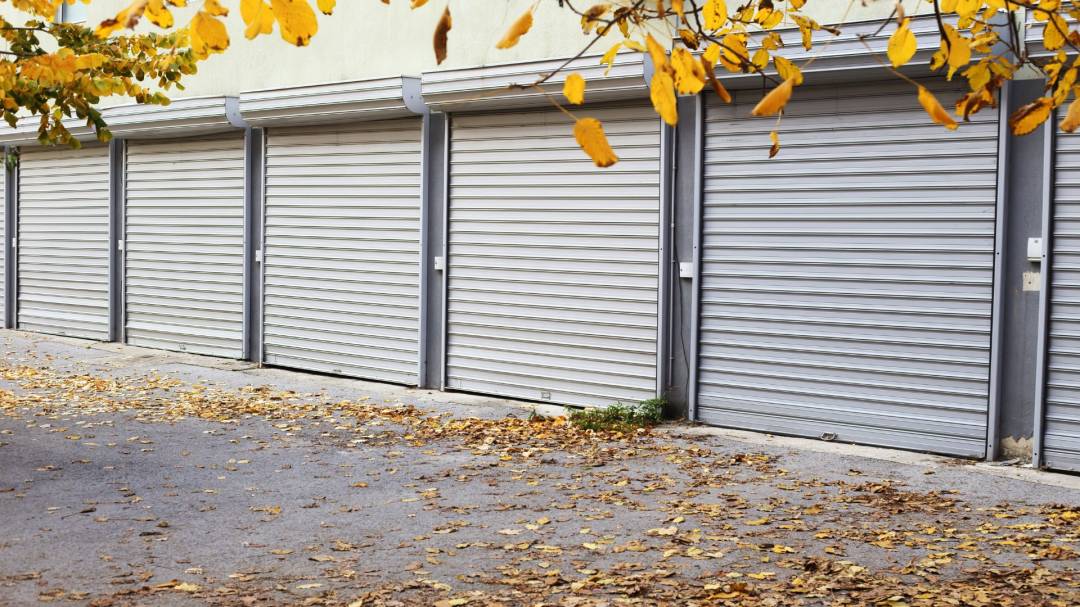
Garages are consistently the biggest missed opportunity.
Private operators run at around 95% occupancy. Housing associations? 40–65%. That’s the revenue gap hiding in plain sight.
And it isn’t down to a lack of demand. In popular areas, you see garages with waiting lists years long. The problem is in less popular areas, where voids can drag on for months or even years. That’s where housing associations struggle. It’s also where platforms like Stashbee can help, because we connect garages to demand across the UK, even in locations where traditional local marketing falls flat.
Another challenge often raised is dilapidations. Many garages sit empty because they’ve fallen into poor condition, making them harder to let. The question housing associations face is: should we invest in improving them? Almost always, once demand is understood and market rents are benchmarked, the answer is yes. Even a light investment in repairs or maintenance can turn an unlettable void into a reliable income stream, and the returns usually outweigh the upfront cost.
Questions to ask yourself:
- Do you know your current garage occupancy rate?
- When did you last benchmark your rents against the local market?
- Which sites have waiting lists, and which have chronic voids?
- How many garages are currently unlettable due to condition, and what would it take to bring them back into use?
Just answering those questions often reveals the scale of the opportunity.
Step 4: Don’t Forget Your Other Assets
Garages and parking may be the quick wins, but they’re not the whole picture.
- Commercial & Community Spaces: Could an underused community hall work better as co-working or event space? Could a vacant retail unit be let to a local service provider residents actually need?
- Land: Many Housing Associations own undeveloped land, often with planning potential. The National Housing Federation estimates this runs into thousands of acres across the sector. The opportunity here is huge, but even before development, temporary uses like car parking or storage can generate revenue.
- Alternative Revenue Streams: Some associations are already diversifying successfully.
- Sanctuary Housing grew their revenue by winning contracts to run care homes and services with NHS partners.
- Habinteg installed solar panels on more than 1,200 homes, which led to them generating income while cutting residents’ bills.
These aren’t one-size-fits-all solutions, but they show the range of possibilities when you shift the mindset.
Step 5: Sequence Quick Wins and Long-Term Strategy
Not everything has to be a five-year project. In fact, the most successful housing associations start with quick wins:
- Resetting garage and parking rents to market rate.
- Bringing voids back into lettable condition with light maintenance.
- Using digital platforms to fill persistent voids.
These quick wins create the breathing room and the budget to take on longer-term plays, like redeveloping land or repurposing commercial stock.
Think of it as sequencing: start with what you can fix in months, not years, and use that momentum to fuel the bigger changes.
The Mindset Shift
Many associations still see non-housing assets as burdens. But the ones thriving today see them as investments.
That means:
- Assigning clear responsibility for non-housing assets.
- Using data to track occupancy and performance.
- Reviewing strategy regularly, not once a decade.
According to Social Housing magazine’s analysis of 120 providers, commercial rents (including garages) saw the biggest percentage rise in turnover, almost 45% in a single year. That shows how quickly returns can grow when focus is applied.
Final Thoughts
Every housing association I’ve spoken to has been under huge financial pressure. And yet, many are sitting on garages, parking, and other assets that could make a real difference if managed with the right approach.
The opportunity is clear:
- Close the 40–65% vs 95% occupancy gap.
- Reset underpriced garages and parking (often 30–40% below market).
- Rethink underused community, commercial, and land assets.
The housing associations that are thriving today aren’t just looking after their homes. They are making every asset work harder to support their mission of providing quality social housing.
Get a free rent review
Try stashee and get a free garage rent review
Get a free rent reviewMeher
Written 15th Sep 2025