How to Find the Right Self Storage: A Renter's Guide to Comparing All Available Options
Why Finding Storage Feels Harder Than It Should
If you've ever tried to rent storage, you already know the "simple" task turns into a project. Prices can feel random. Availability is unclear. And the search often looks like this: 15 browser tabs, a few phone calls, and then—surprise—the price you saw online "was just a promo" or "is no longer available."
You're not imagining things. Storage is genuinely time-consuming to shop for because there's no central system showing what's available in your area. Every facility has its own website, its own pricing format, and its own way of displaying information.
The good news: the industry is changing. It used to be mostly big commercial facilities. Now it's a mix of traditional storage plus newer "sharing economy" options—people renting out spare garages, sheds, basements, and driveways.
This guide breaks down how storage pricing really works, what affects your monthly cost, how to pick the right size and security, and how marketplaces like Neighbor (US) and Stashbee (UK) make it easier to compare everything available in one place.
Your Options: From the Manual Era to the Marketplace Era
The Manual Method (The Old Way)
Traditionally, renters had to piece together information from dozens of separate websites, each with its own pricing format, promotions, and availability system. That fragmentation makes it hard to compare options and easy to overpay simply because you couldn’t see what else was available nearby.
It works, but it's time-consuming and it often leaves out the most convenient options. That empty garage two blocks from your apartment? In the past you'd never find it by Googling "storage facilities."
The Centralized Marketplace (The Modern Way)
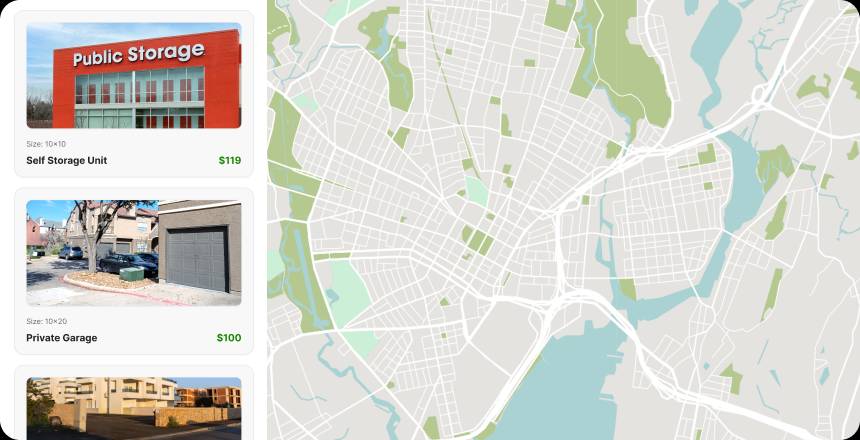
Marketplaces bring options together so you can compare in one place. Neighbor lets you see storage units, whether at traditional facilities or in other commercial or residential properties, side-by-side and book online in minutes. Stashbee shows multiple categories—including self storage units, storage containers, garages, and commercial options.
In plain English: instead of guessing what exists near you, marketplaces like Neighbor and Stashbee helps you see what's actually available—traditional facilities and unique local spaces—in one view.
How to Find and Book Storage Quickly (Without Calling 10 Places)
What's the Fastest Way to Compare Storage Options Near Me?
If you're trying to avoid the "15 tabs + 3 phone calls" experience, the main trick is this: don't only search for "storage facilities." Also search for storage marketplaces.
Why? Because marketplaces are designed for side-by-side comparison. Neighbor positions itself around comparing every option in one place (including facilities and local garages) and booking online in minutes. Stashbee frames the process as Search → Book → Start using the space, showing everything from self storage units to spare rooms and basements.
Renter benefits to focus on:
- Visibility: See what's actually available right now
- Location matching: Find options near where you live, not just in commercial zones
- Faster booking: Less back-and-forth, fewer dead ends
How Much Does Self Storage Cost?
Storage pricing varies by city vs. suburb, unit size, indoor or outdoor drive-up access, climate control or non-climate controlled, and current demand. But you can get a realistic ballpark if you know what you're looking at.
How Much Does Self Storage Cost Per Month?
Here are a few ways to think about typical pricing:
National averages give you a baseline. A RentCafe self storage report (published January 2026, using December 2025 data) reports a $133 national average rent. In the UK, the SSA UK Annual Industry Report 2025 puts the national average at £29.13 per sq ft per year — roughly £121/month for a standard 50 sq ft unit.
Per-size averages are more useful. StorageCafe (using December 2025 street-rate data) shows how prices change by size—and how climate-controlled units typically cost more than standard units.
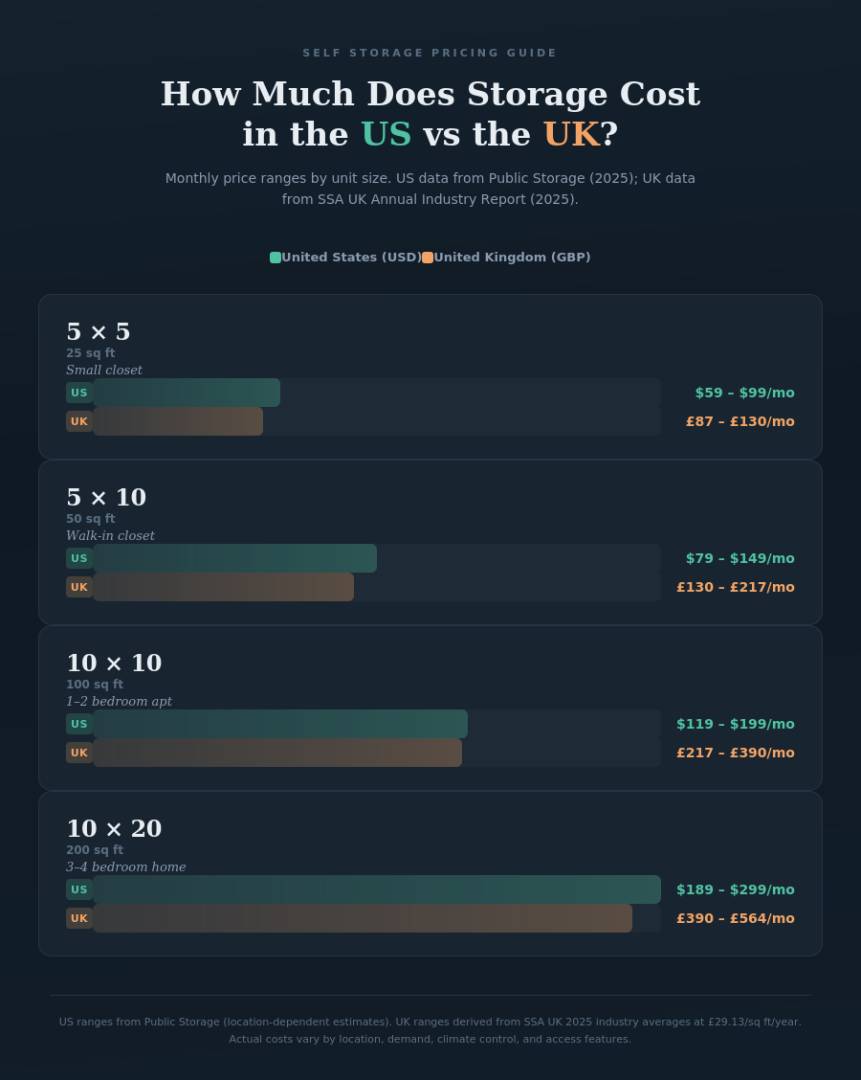
Provider price ranges help with reality checks. In the US,Public Storage lists estimated monthly ranges by size (location-dependent):
- 5x5: $59–$99/month
- 5x10: $79–$149/month
- 10x10: $119–$199/month
- 10x20: $189–$299/month
In the UK, pricing from SSA UK industry data (2025) gives a comparable picture:
- 25 sq ft: £87–£130/month
- 50 sq ft: £130–£217/month
- 100 sq ft: £217–£390/month
- 200 sq ft: £390–£564/month"
The important takeaway: storage isn't "cheap" or "expensive" in a vacuum, it's priced like real estate. Where it is, how big it is, and how many people want it right now all affect the price.
What Factors Affect Self Storage Pricing?
These are the big drivers renters should know:
- Location and demand: Dense cities, expensive land, and high demand usually mean higher prices.
- Unit size and type: Bigger units have higher total prices, but smaller units often cost more per square foot. (5x5 units tend to be priced higher per square foot than larger sizes.)
- Climate control: Costs more, but worth it for sensitive items like wood furniture, electronics, photos, and instruments.
- Access hours: Extended or 24/7 access can affect price or availability.
- Length of stay: Month-to-month is flexible; longer commitments sometimes come with different pricing structures.
Why Advertised Prices Are Often Introductory
A lot of renters get tripped up here. You think you're comparing "the price," but you're actually comparing a promo.
Many facilities advertise specials like "first month free" on select units. Industry pricing data shows that online pricing is often discounted—one Modern Storage Media pricing update noted online discounts averaging around 17% in some periods.
What to do as a renter: When you see a great deal, ask one simple question before you commit: "Is this the ongoing monthly rate, or is this a move-in promo?"
If it's a promo, ask how long it lasts, what the rate becomes afterward, and whether there are admin fees, insurance requirements, or lock fees.
Dynamic vs. Flat Pricing: Why Storage Prices Can Change
Many storage facilities rent month-to-month, which is convenient—but it also means pricing can adjust over time based on market conditions and operating costs. Modern Storage Media notes that operators often balance competitive introductory pricing with structured rent increases.
Seasonality matters too. Yardi Matrix national reports show that advertised rates often rise when the busier leasing season starts (typically late spring through summer).
How marketplaces can help: The biggest benefit isn't magic pricing—it's visibility. Neighbor (US) and Stashbee (UK) both position themselves around comparing every available option in one place — from traditional facilities to unique local spaces — and booking online in minutes.
Availability, Size, and Finding the Right Fit
Is Storage Usually Available Right Away?
Yes, if you know where to look. The tricky part is that availability is fragmented across many different owners and websites.
Modern Storage Media describes a huge industry footprint (tens of thousands of facilities and billions of rentable square feet), but that doesn't mean the exact unit you want is open this week in your neighborhood. This is why people often call multiple locations or refresh multiple websites.
Marketplaces aim to reduce that friction by letting you compare nearby options—including traditional units and unique spaces like garages—in one place.
Peak vs. Off-Season Availability
Storage demand moves with real life: moving season, college schedules, renovations, job changes. Rates tend to rise when the busier leasing season gets underway.
Translation: if you're shopping during a busy period (typically May through September), you may see fewer options and higher prices.
How Do I Know What Size Storage Unit I Need?
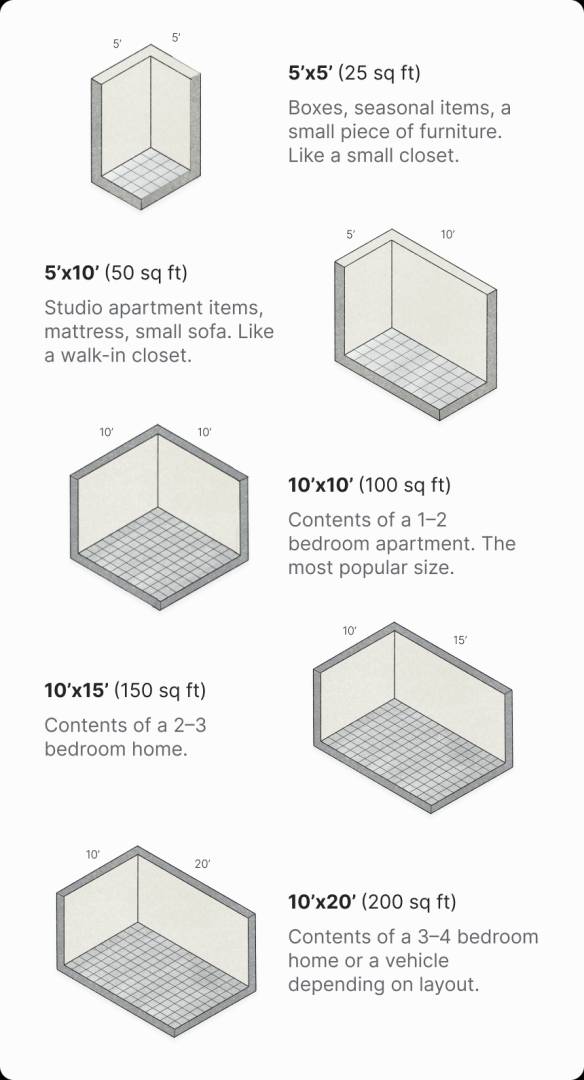
Choose based on what you're actually storing, not what you wish you were storing. Here are renter-friendly size comparisons:
- 5x5 (25 sq ft): Boxes, seasonal items, a small piece of furniture. Like a small closet.
- 5x10 (50 sq ft): Studio apartment items, mattress, small sofa. Like a walk-in closet.
- 10x10 (100 sq ft): Contents of a 1–2 bedroom apartment. The most popular size.
- 10x15 (150 sq ft): Contents of a 2–3 bedroom home.
- 10x20 (200 sq ft): Contents of a 3–4 bedroom home or a vehicle depending on layout.
Common renter mistakes: Oversizing (paying for empty air every month) or undersizing (cramming everything in, blocking access, risking damage). Also consider whether you'll need to walk inside the unit and reach things—if yes, size up slightly.
Access, Rules, and Convenience
What Access Hours Do Storage Facilities Typically Have?
Many facilities have two types of hours: office hours (when staff are there) and gate/access hours (when you can enter). Some places offer 24/7 access, but "24/7" can come with conditions, like upgraded access fees, specific entry procedures, or tighter security requirements.
Can I Access My Storage Whenever I Want?
Don't assume. Confirm your access hours, how entry works (app, code, key, staff), and whether there are holiday restrictions.
With marketplace storage each host determines access hours and will often work with you on a time that works best for you. Check the listing details if frequent access matters to you.
Safety, Security, and Insurance
Is Self Storage Safe?
Yes, most storage options are safe. But "safe" depends on the specific location and security setup. Look for cameras, lighting, gated access, individual locks or door alarms, and clear policies about who can access the property.
Security features have become standard in the industry. In the UK, the SSA UK annual report notes that 82% of stores use monitored CCTV. Still, you want to verify what your specific location offers.
On marketplaces, security varies because spaces vary. Neighbor states that hosts are ID-verified and that renters can filter for security features like cameras, gates, and access hours.
Do I Need Insurance for Stored Items?
Often, yes—you should plan for it. Many renters don't realize that their renters insurance may already cover items in storage, but usually only up to a limit.
In the US, GEICO explains that renters insurance often provides off-premises coverage, but typically only up to about 10% of your personal property coverage. They also note common exclusions that matter in storage, including flooding, mold/mildew, and pest damage (depending on your policy).
In the UK, most storage facilities require you to have contents insurance as a condition of your rental agreement — this is standard practice across the industry, though it's a contractual requirement rather than a legal one. Your standard home contents policy likely won't cover items stored off-site, or if it does, coverage is often limited to 10–20% of your sum insured and may only apply for 30–90 days.
That means if you’re storing high-value items, your existing policy might not fully protect them.
Some storage facilities require you to purchase coverage directly through them. And if you’re using a storage marketplace, protection options may vary. For example, Neighbor and Stashbee offer protection plans for renters using the platform, which can provide an added layer of coverage beyond a standard homeowners or renters policy.
Practical tip: Before you move items in, call your insurance provider to confirm what's covered and what isn't. This saves headaches later.
Contracts, Flexibility, and What to Expect
Are Self Storage Contracts Month-to-Month?
Many are. Public Storage highlights "month-to-month" rentals and "no long-term commitment" as a common structure. Marketplaces often emphasize flexibility too—Neighbor says you can cancel online and stop your reservation any month.
Still, always read the terms, especially rate change language, late fees, lien/auction policies, and move-out notice requirements.
Can I Cancel or Move Storage Easily?
Usually yes — but “easy” depends on logistics: how far you have to drive, how much you have to move, and whether you have help.
The real key is avoiding overspending up front—pick the right size, confirm access and pricing, and choose a location you'll actually visit.
Most traditional storage facilities operate on month-to-month terms, which means you can move out when you’re ready. However, you may need to provide notice, and you’ll typically be responsible for the full month once it begins.
With storage marketplaces like Stashbee and Neighbor, the process is easy. Renters can cancel through their account dashboards. When you're done storing, you simply remove your items and end the reservation.
As always, check:
- Whether advance notice is required
- How billing cycles work
- Whether partial-month refunds are available
A quick review of the cancellation policy before booking can save frustration later.
Preparing Items for Long-Term Storage
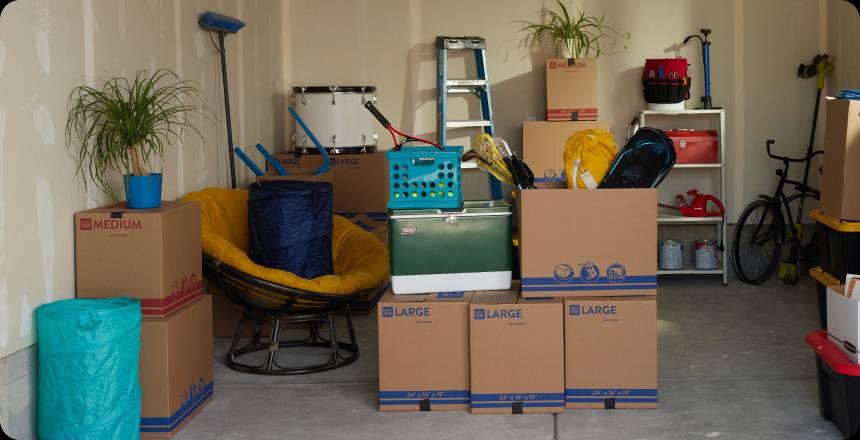
If you're storing more than a few weeks, these basics protect your belongings:
- Clean everything first. Dirt attracts pests and can cause stains over time.
- Avoid plastic bags for fabric. Use breathable containers when possible.
- Elevate items. Put boxes on pallets or shelves to reduce moisture risk.
- Leave airflow. Don't pack wall-to-wall if you can avoid it.
- Label by room and priority. "Kitchen—holiday" beats "misc." every time.
- Consider climate control for anything that can warp, crack, or develop mildew.
Also: don't store prohibited items (varies by provider, but usually includes perishables, hazardous materials, and flammables).
FAQ: Quick Answers Renters Ask Before Booking
Is self-storage cheaper outside the city?
Often, yes. Storage is priced like real estate—land and demand tend to be cheaper outside dense areas. But a "cheaper" unit might cost more in time and travel. If you'll visit often, a closer option can be worth paying slightly more.
Do storage prices go up after the first month?
They can. Many facilities advertise introductory specials, and operators often balance competitive move-in pricing with rate adjustments over time. Always ask what the ongoing monthly rate is after any promo ends. Marketplaces like Stashbee and Neighbor are transparent with the pricing from the beginning. You know how much you’ll pay when you tap book.
What happens if I miss a payment?
Policies vary, but missing payments can trigger late fees, restricted access, and eventually stronger collection actions. The exact timeline depends on your contract and local rules. If you're at risk of missing a payment, contact the provider early.
Do I need climate-controlled storage?
It depends on what you're storing and your local climate. Climate control helps protect items sensitive to temperature and humidity (wood, electronics, photos). For low-risk items like plastic bins and tools, standard units may be fine.
Can I switch storage unit sizes later?
Sometimes. Many facilities and marketplaces allow you to move to a different size, subject to availability. If you think you'll need to size up soon, ask how easy unit transfers are before you move in.
How far in advance should I book storage?
During busy moving season, earlier is better, rates can rise when leasing demand picks up. For flexible situations, you can often book close to move-in. The main advantage of booking early is locking in availability for the size you want.
Is marketplace storage safe?
Yes, typically it’s a lot safer. Hosts are verified and renters can filter for features like cameras, gates, and access hours. But just like everything else look for reviews, photos, and security features. Use good judgment and choose what matches your comfort level.
What ID is required to rent storage?
Typically a government-issued photo ID. Some providers also collect contact info for billing and access. If booking online, be ready to verify identity or payment details depending on the platform.
Can I share a storage unit with someone else?
Sometimes, but confirm the rules first. The biggest issues are access (who gets codes/keys) and liability (who's responsible if something goes wrong). It's usually safest to keep one responsible account-holder.
What Is the Benefit of Drive-Up Access?
Drive-up access means your storage unit is located outdoors, and you can pull your car or truck directly up to the door—just like a garage.
Instead of walking through hallways or using elevators inside a large building, you park right in front of your unit and unload straight from your vehicle. This makes for:
- Faster loading and unloading. You can move heavy furniture, appliances, or boxes without carrying them long distances.
- Easier for bulky items. Couches, mattresses, and large bins are much simpler to move when you don’t have to navigate corners or elevators.
- Vehicle storage potential. If the unit is large enough (such as a 10x20), you may be able to park a car, motorcycle, or small trailer inside.
- Convenience for frequent visits. If you plan to access your items often, drive-up access can save time and effort.
Ready to Find Your Storage?
The hardest part of finding storage used to be the search itself—calling around, comparing inconsistent pricing, hoping the unit you wanted was still available. Now you can see all your options in one place and make a confident decision in minutes.
If you're in the US, start your search on Neighbor. If you're in the UK, head to Stashbee. Both platforms let you compare professional facilities and local spaces side by side, so you can find the right storage for your needs without the runaround.
Neighbor
Written 19th Mar 2026