Case study
How Raven Housing Trust reduced garage voids by 45% in just 10 weeks
Discover how Stashbee helped Raven Housing Trust unlock demand across its garage portfolio, reduce long-term voids, and build a stronger business case for garage investment.
252 unique customers
generated during the 3-month pilot
145 voids reduced to 80
across Raven’s garage portfolio
7.8 new lettings per week
up from around 1.5 per week before the Stashbee pilot

"We weren’t letting as many garages as we could because we weren’t reaching the right market. Stashbee helped us prove the demand was there, reduce voids quickly, and make the whole process easier for the team."
Michael Ryan, Assistant Director of Property and Estate Services, Raven Housing Trust
Raven Housing Trust is a registered social landlord with around 7,500 homes across Surrey and Sussex. Alongside its homes, Raven manages a substantial garage portfolio of around 2,350 garages across approximately 129 sites.
While garages played an important role in Raven's long-term business plans, the organisation faced a similar challenge to other housing providers. Its garages were in good condition, well-maintained, and valuable to local communities, but it was difficult to capture local demand.
Raven knew their garages had more potential
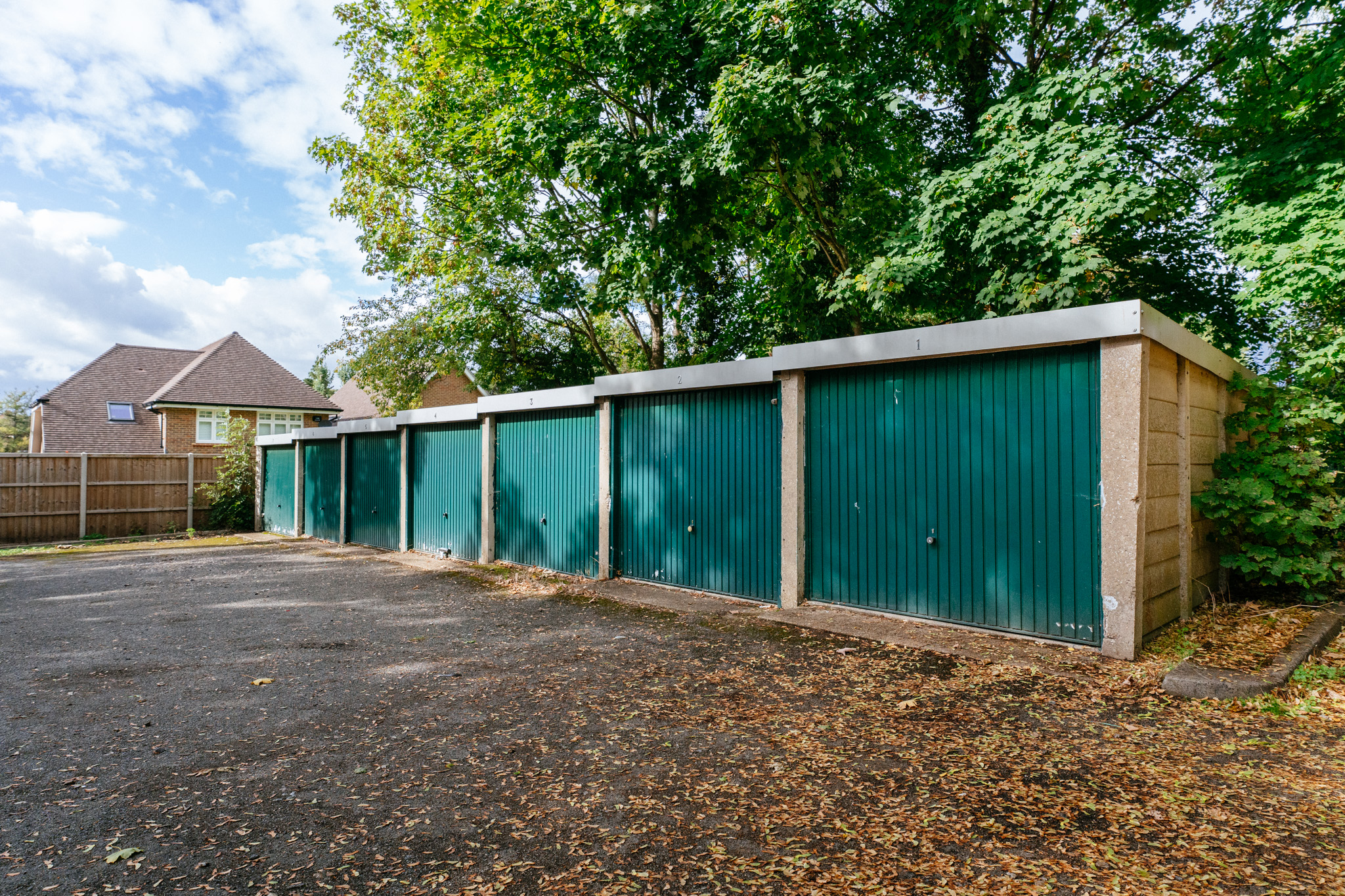
Raven were proud of their garage stock. Around 95% of units had received new roofs in the past 10 years, their doors had secure locks, and almost all sites had good access.
When the pilot began, occupancy was 75%, but Raven believed the portfolio could do more. The question was whether the issue was a lack of demand, poor visibility, pricing, current processes, or a combination of all four.
"We weren’t letting as many assets as we possibly could because we weren’t reaching the right markets. There was a frustration that some of them were empty."
Before working with Stashbee, Raven advertised its garages through a weekly advert in a local magazine, a tile on the magazine’s website, and an enquiry form on Raven’s own website.
That approach generated interest, but it also created inefficiencies:
- Large waiting list: customers couldn’t see live garage availability, meaning they were likely to end up on Raven’s waiting list for months or even years
- Long void periods: poor matching between customer interest and current vacancies meant some garage units remained empty for years
- Admin overhead: when a garage did free up, Raven would contact people on the waiting list, many of whom had moved house or already found an alternative long ago
"There were inefficiencies and wasted effort in the process. Someone could be on a waiting list for a particular garage block, but by the time a garage became void, that requirement might be gone."
Voids posed a wider challenge than simply foregone rental income. Empty units were an ongoing expense - keys had to be stored, and the team had to carry out safety checks and regular repairs.
Results
Raven came to Stashbee looking for ways to maximise income, reduce voids and make better use of its garage portfolio. The pilot gave Raven a low-risk way to test a different approach.
"There were inefficiencies and wasted effort in the process. Someone could be on a waiting list for a particular garage block, but by the time a garage became void, that requirement might be gone."
Rapid reduction in voids
The results came quickly. In just 12 weeks, Stashbee and Raven achieved the following:
252 unique customer leads generated
45% reduction in voids from 145 to 80 units
9-point uplift in occupancy from 75% to 84%
5x increase in new sign-ups from 1.5 to 7.8 per week
One site gave Raven a particularly strong proof point. A single road, which accounted for 18% of the garage stock, had been Raven’s highest driver of voids for 20 years.
16 garages on that road were let during the Stashbee trial.
The pilot also helped Raven move some long-term voids, including several garages that had been vacant for 5-10 years
That mattered because every long-term void carries a commercial and operational question. Should the organisation keep investing in the site? Should it consider redevelopment? Is the garage difficult to let, or are customers simply not being reached?
Reduced admin burden
The difference was not just more enquiries. It was the type of enquiry and the way it reached Raven’s team.
Stashbee gave Raven a process that marketed only available garages, triaged enquiries, and created a clear queue of people to contact. Instead of chasing old waiting-list enquiries, Raven could focus on genuine demand from people actively looking for storage.
That changed the energy of the work, and the team handling enquiries responded positively.
"The team are finding it much easier and are very positive about the new process. It is making customer conversations easier, reducing the time spent in spreadsheets, and leaving much less room for error. A win-win all round."
Minimal set-up effort
A common concern for housing associations is internal capacity. Garage portfolios are rarely the only thing a team is responsible for.
The pilot needed to be useful without creating an unmanageable burden, and that was one of the positive surprises.
"The level of effort involved has not been as much as I expected. You and our data team have done a lot of the heavy lifting, which I didn’t think would be the case to start with."
From Mike's perspective, the main impact on his workload was chairing meetings and checking in with internal teams.
Long-term strategic benefits
For Mike, the wider value was not just more enquiries. Stashbee brought stronger marketing, better data and a more commercial lens, while Raven kept the customer and community view that matters to housing associations.
Better visibility of performance
Regular performance reviews helped Raven understand which sites were generating demand, where conversions were happening and how the portfolio was responding. The fortnightly conversations became active business discussions.
"The data produced in the meetings helped drive good business-to-business conversations. It reflected the right measures of success for Stashbee, but also for our garage portfolio."
That mattered because garage decisions often span income, asset management, neighbourhoods, and customer experience. Better data makes it easier to discuss garages as live assets, not just as a list of voids.
Insight supporting investment decisions
Improved visibility also helps build the case for reinvestment.
Raven has around 260 garages where the cost of repair or component replacement could take more than ten years to pay back. That can be a difficult business case if there is no confidence that the garage can be let again.
"As the site becomes more occupied, it makes the business case stronger. There is now a case to invest, let them out and generate income."
Mike hopes that additional income can help fund investment in some of Raven’s more difficult-to-let garages without requiring an entirely new budget.
A future-ready model for housing providers
When asked whether Raven could have achieved the same results internally without Stashbee, Mike was clear:
"No, not working in the way we were working. It needed something to change. Stashbee offered a way of dipping our toes into a different way of working to see if it had the expected outcomes."
His advice to other housing associations is straightforward:
"If you are struggling with voids, this is a future-ready model, with the algorithms and marketing mechanisms in place, sitting outside traditional ways of advertising in newspapers, magazines or sticking an advert on Facebook."
For Raven, the pilot showed that the demand was there. The challenge was reaching it, measuring it and turning it into signed licences with less wasted effort.
Ready to reduce garage voids?
Stashbee works with housing associations and councils across the UK to help increase garage occupancy and unlock income from existing assets.